Beyond the Environment: The Importance of Social, Economic, Cultural, and Public Health Aspects in Environmental Assessment Documents
10 July 2026 | By. Greeneva
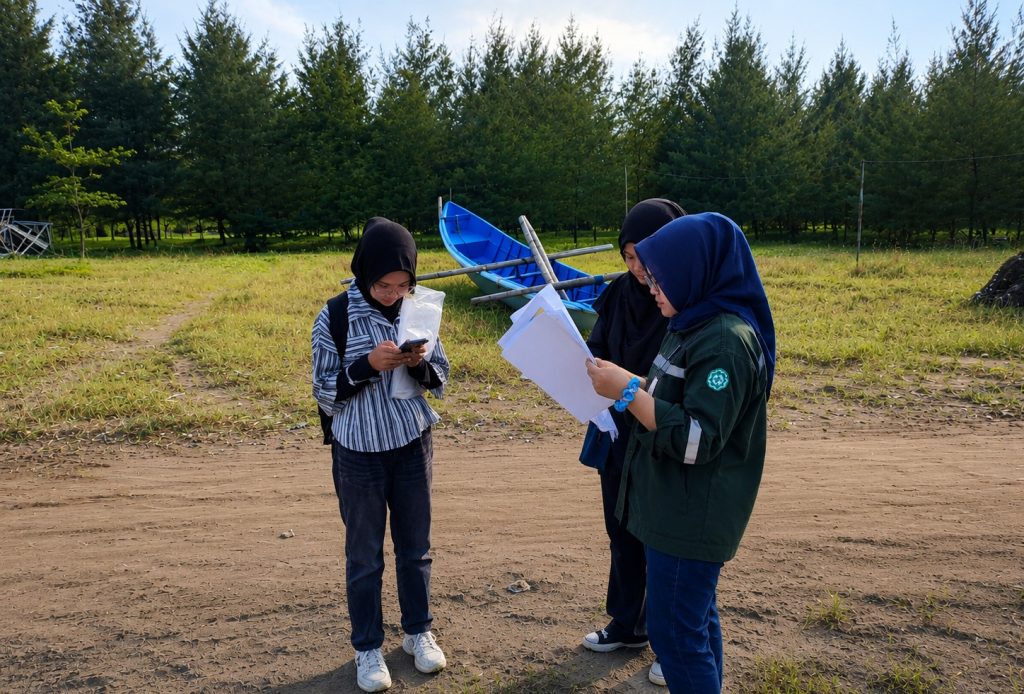
“The environment encompasses far more than air, water, land, and biodiversity. It also includes people, social dynamics, economic activities, cultural values, and public health conditions—all of which interact to shape a sustainable development ecosystem.”
When discussing environmental assessment documents, attention is often focused on biophysical aspects such as air quality, water quality, noise levels, waste management, and biodiversity conservation. However, the primary objective of environmental assessments extends beyond ensuring compliance with environmental quality standards. It is equally about ensuring that development is carried out responsibly, with due consideration for the communities that may be affected.
Every proposed project—whether in the industrial, energy, infrastructure, mining, tourism, or residential sector—has the potential to influence the social and economic conditions of surrounding communities. Development can generate employment opportunities, stimulate local economic growth, and accelerate regional development. At the same time, it may also alter livelihoods, increase population mobility, affect local cultural values, and even pose risks to public health if potential impacts are not properly anticipated and managed.
For this reason, Social, Economic, Cultural, and Public Health (SECPH) considerations form an integral part of environmental assessment documents. These assessments help ensure that development is not only technically and environmentally feasible but also socially acceptable, capable of delivering long-term benefits, and effective in minimizing adverse impacts on communities.
This approach is consistent with the principles of sustainable development, which recognize environmental protection, economic growth, and social well-being as three interconnected pillars that must be advanced in a balanced and integrated manner.
What Are Social, Economic, Cultural, and Public Health (SECPH) Aspects?
Social, Economic, Cultural, and Public Health (SECPH) aspects constitute a fundamental component of the environmental impact identification and assessment process. Unlike biophysical assessments, which focus primarily on changes to the natural environment, SECPH assessments examine how a proposed project or activity may affect people and the social systems that are inherently part of the environment.
Rather than assessing only existing conditions or observed impacts, SECPH assessments also anticipate potential changes throughout the entire project lifecycle—from pre-construction and construction to operation and post-operation. This forward-looking approach enables potential impacts to be identified early, allowing appropriate environmental management and monitoring measures to be developed before they occur.
By incorporating SECPH considerations, environmental assessment documents serve as more than regulatory requirements. They become strategic planning tools that support inclusive and sustainable development, where project success is measured not only by technical performance or economic outcomes, but also by the ability to safeguard community well-being and foster positive relationships with stakeholders.
Why Are SECPH Aspects Essential in Environmental Assessment Documents?
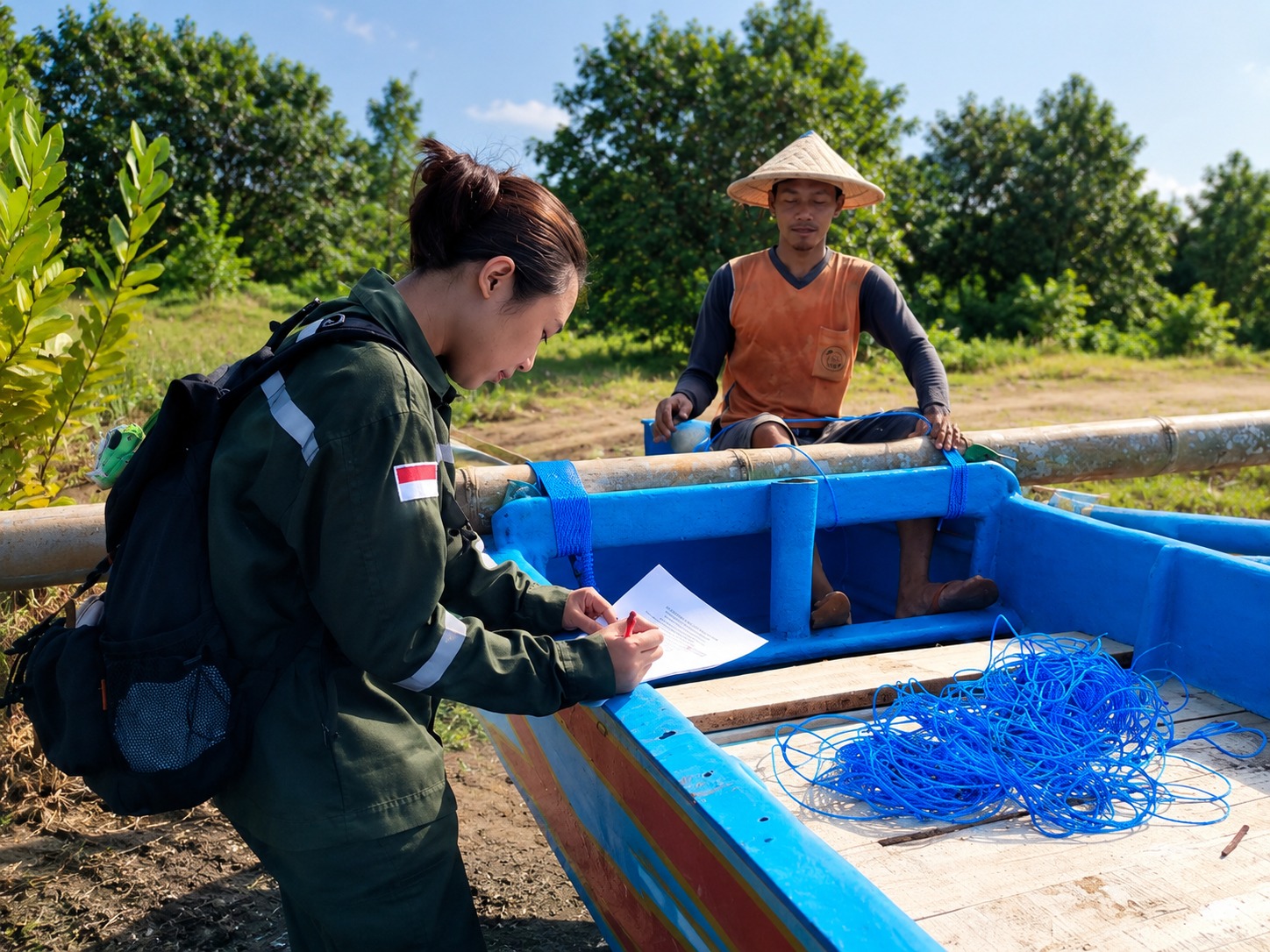
Development inevitably brings change. In many cases, these changes generate significant benefits, including increased investment, employment opportunities, business growth, and improved access to infrastructure and public services.
However, development may also introduce challenges that require careful planning and management. Changes in land use can affect local livelihoods, increased traffic may contribute to congestion and noise, and the influx of workers from outside the project area can influence social dynamics within surrounding communities.
If these potential changes are not identified during the planning stage, they may lead to social conflicts, reduced quality of life, or other unintended consequences. For this reason, SECPH assessments play a critical role in identifying potential impacts at an early stage, enabling effective management strategies to be designed and implemented before impacts occur.
The Role of Social, Economic, Cultural, and Public Health (SECPH) Aspects in Environmental Assessment Documents
Social, Economic, Cultural, and Public Health (SECPH) assessments play a strategic role across various types of environmental assessment documents, with the scope and depth of analysis tailored to the characteristics and level of risk associated with each project.
In Indonesia’s Environmental Impact Assessment (AMDAL) process, SECPH aspects are comprehensively assessed beginning with the preparation of the Terms of Reference for the Environmental Impact Assessment (KA-ANDAL) through a scoping process to identify relevant social issues. These assessments are then further developed in the Environmental Impact Analysis (ANDAL), where potential changes to social, economic, cultural, and public health conditions resulting from project implementation are evaluated. The findings subsequently form the basis for developing environmental management measures in the Environmental Management Plan (RKL) and monitoring mechanisms in the Environmental Monitoring Plan (RPL).
Similarly, SECPH considerations remain an important component of Environmental Management and Monitoring Efforts (UKL-UPL) and Environmental Evaluation Documents (DELH), although the level of assessment is adjusted according to the project’s scale and environmental risk. This approach ensures that every proposed activity considers its potential impacts on surrounding communities, even when a comprehensive AMDAL is not required.
Ultimately, SECPH assessments are not merely supplementary components of environmental assessment documents. They provide a critical foundation for developing comprehensive impact management strategies that support sustainable and socially responsible development.
From Regulatory Compliance to a Social License to Operate
For many years, project success has often been measured by the fulfillment of administrative and technical requirements, including obtaining the necessary environmental approvals. However, experience has shown that regulatory compliance alone does not necessarily guarantee successful project implementation.
Many projects that have met all legal and permitting requirements still encounter community opposition, social conflicts, or implementation challenges due to insufficient stakeholder engagement and communication during the planning stage. This highlights that successful development depends not only on regulatory approval but also on the level of public acceptance.
This concept is widely known as the Social License to Operate (SLO)—the ongoing acceptance and trust granted by communities toward a project or business activity. Unlike government-issued permits, a social license is earned through transparency, meaningful stakeholder engagement, mutual trust, and a genuine commitment to managing environmental and social impacts responsibly.
Within the context of environmental assessment, SECPH studies play a vital role in building this social license. By assessing baseline social conditions, mapping stakeholders, conducting public consultations, and evaluating potential social impacts, project proponents can better understand community needs, concerns, and expectations from the earliest stages of project planning.
This approach enables environmental management strategies to be designed more adaptively, ensuring not only regulatory compliance but also stronger relationships among project developers, government institutions, and local communities. Ultimately, the long-term success of a project is determined not only by the quality of its infrastructure or the scale of its investment, but also by the trust and acceptance it earns from the people it affects.
Sustainable development is fundamentally about achieving a balance between economic growth, environmental protection, and social well-being. Environmental management should therefore be understood not only as an effort to protect air, water, and land quality, but also as a process of ensuring that development delivers equitable benefits while minimizing potential social impacts.
Social, Economic, Cultural, and Public Health (SECPH) assessments provide an essential foundation for achieving this objective. By identifying potential impacts during the planning stage, these assessments enable environmental management and monitoring strategies to be developed in a proactive, adaptive, and community-oriented manner.
For project proponents, environmental assessment documents should be viewed as more than administrative requirements. They are strategic decision-making tools that help identify risks, inform effective management measures, and support the long-term sustainability of development projects.
At GREENEVA, we believe that effective environmental management must strike a balance between development objectives, environmental protection, and community well-being. Through a data-driven approach, regulatory expertise, and meaningful stakeholder engagement, we support the preparation of environmental assessment documents that not only meet regulatory requirements but also serve as a foundation for inclusive, responsible, and sustainable development.