Key Factors for Successful Regional Implementation of Low-Carbon Development
16 June 2026 | By. Greeneva
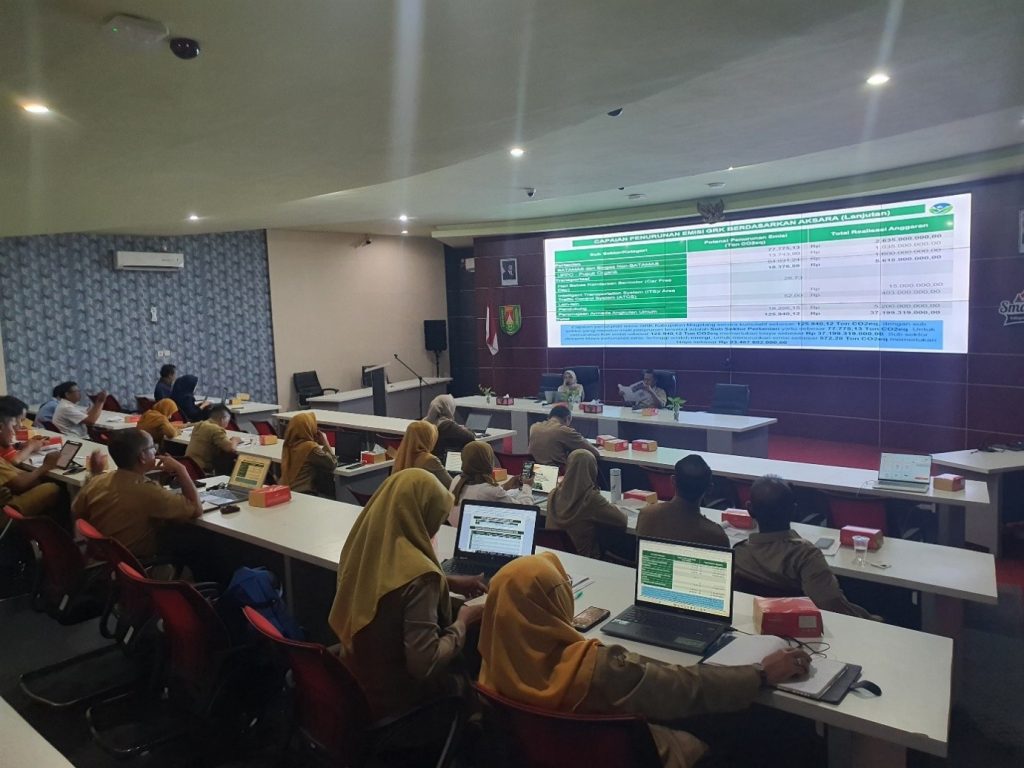
Low-carbon development has become an essential component in promoting sustainable, climate-resilient, and low-emission regional development. Based on GREENEVA’s experience in supporting various programs with local governments, private sector actors, and development institutions, the successful implementation of low-carbon development is determined by several key factors.
First, low-carbon development requires integrated planning through the preparation of climate change mitigation action plans involving multiple sectors, including energy, transportation, waste management, industry, and spatial planning. Integration into regional planning documents such as the Regional Long-Term Development Plan (RPJPD), Regional Medium-Term Development Plan (RPJMD), and Regional Government Work Plan (RKPD) is an important step to ensure that emission reduction targets align with regional development priorities. Through various technical assistance programs, GREENEVA supports this process by developing mitigation strategies, conducting emission analyses, and formulating practical and region-specific low-carbon policies.
Second, accurate data and strong monitoring systems are fundamental to effective low-carbon development implementation. GREENEVA supports the strengthening of emission inventories, the development of indicators and reporting mechanisms, as well as the optimization of digital platforms for more systematic, transparent, and data-driven monitoring and evaluation. This approach assists local governments in identifying priority actions and measuring program achievements more effectively.
Third, successful implementation also depends on institutional capacity and human resources at the regional level. Through training programs, workshops, and technical assistance, GREENEVA supports capacity building for local governments in areas such as emission inventory preparation, mitigation strategy development, data management, and monitoring of low-carbon development programs to ensure more optimal and sustainable implementation.
Fourth, low-carbon development requires multi-stakeholder collaboration involving governments, businesses, academia, communities, and civil society. GREENEVA’s experience demonstrates that involving multiple stakeholders from the planning stage can strengthen program implementation through support for innovation, green investment, and sustainable development practices.
Through its experience across various low-carbon development initiatives, GREENEVA remains committed to supporting local governments and the private sector in translating climate commitments into measurable, practical, and impactful programs that contribute to sustainable development in Indonesia.