PROPER Enters a New Phase: What It Means for Corporate Environmental Strategy
14 May 2026 | By. Harita Raksa
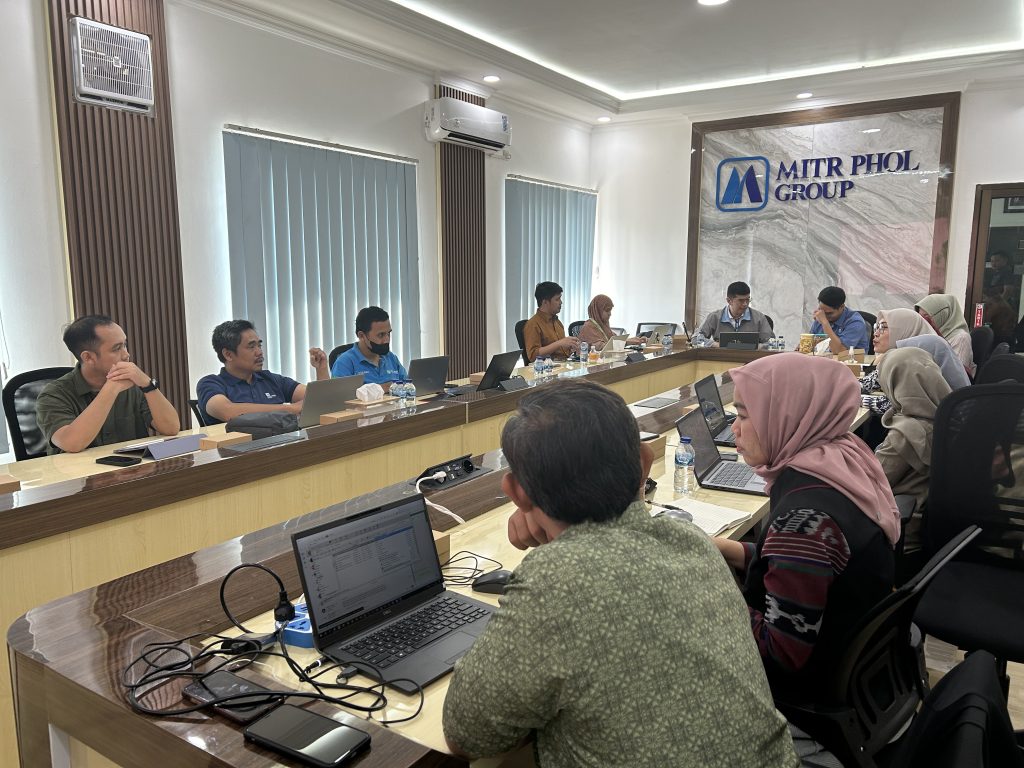
Regulatory changes introduced through Minister of Environment/Environmental Control Agency Regulation No. 7 of 2025 mark a new direction in the assessment of the Corporate Performance Rating Program in Environmental Management (PROPER). While many companies previously viewed PROPER primarily as a compliance requirement, the assessment framework has now evolved into a more comprehensive and performance-based approach.
The government no longer focuses solely on the completeness of documentation or compliance with technical standards, but also on how environmental management is implemented in practice and whether it delivers measurable performance outcomes. This shift reflects growing expectations for businesses to integrate environmental management into operational strategies and long-term sustainability planning.
A New Direction for PROPER Assessment: From Compliance to Sustainable Performance
One of the key changes introduced under Ministerial Regulation No. 7 of 2025 is the expansion of PROPER’s assessment scope. The evaluation is no longer limited to the existence of environmental documents or fulfillment of technical obligations, but also examines how companies manage their environmental impacts in a more holistic and integrated manner.
The assessment now considers several key aspects, including:
- Implementation of Life Cycle Assessment (LCA) in environmental management
- Efficiency in energy and water consumption
- Reduction of emissions and waste generation
- Biodiversity conservation
- Community empowerment in areas surrounding operations
This approach reinforces that PROPER is not only a compliance assessment tool, but also a mechanism to encourage companies to embed sustainability principles into their core operations.
Strengthening Non-Hazardous Waste Management Assessment
Another significant development is the increased emphasis on non-hazardous waste management. Previously considered a supporting element, it has now become an important indicator in assessing corporate compliance.
Companies are expected to establish well-documented waste management systems, including technical handling procedures, cooperation with licensed waste management operators, waste transfer documentation, and regularly verifiable reporting.
Furthermore, in the beyond-compliance dimension, waste reduction efforts and the implementation of circular economy principles are increasingly important considerations, particularly for companies targeting a Green PROPER rating.
In addition to changes in assessment indicators, the verification process within PROPER has also been strengthened. The evaluation is no longer based solely on company-submitted reports, but places greater emphasis on consistency between reported data and actual implementation in the field.
This means that environmental management programs must be consistently implemented and supported by verifiable evidence on the ground. This approach is intended to improve the credibility of the assessment system while strengthening transparency and corporate accountability.
With increasingly stringent standards, companies that fail to adapt in a timely manner face the risk of a decline in their PROPER ratings. The implications extend beyond regulatory compliance and may also affect corporate reputation, access to financing, and business partnership opportunities. Amid growing attention to Environmental, Social, and Governance (ESG) principles, environmental performance has become a key factor in determining corporate competitiveness.
Therefore, early preparation is essential. Environmental performance evaluation, strengthening of waste and emission management systems, and the development of structured improvement strategies can help companies adapt to the updated PROPER framework. With the right approach, PROPER is no longer merely an annual compliance obligation, but also an opportunity to strengthen more sustainable and resilient business practices.